About Artwork Flow
Artwork Flow is an AI-powered artwork management and compliance platform built for brands and packaging teams. It helps accelerate product launches by streamlining the end-to-end artwork process, from creative brief to final approval, with tools like workflows, online proofing, and automated label compliance.
The challenge
Artwork moves through multiple stages - from requirements and briefing to design, review, production and QA. But every company has its own SOPs and way of working.
Our existing workflow engine at the time could only support linear, waterfall-style workflows. This worked for our existing clients, but became a major limitation as we started reaching out to companies with more complex processes - which we weren’t able to replicate with the current setup.
On the other hand, our Customer Success team had to build and maintain custom workflows for almost all the clients and handle workflow changes on a day-to-day basis. This wasn’t scalable, and the limitation was starting to affect our ability to win new business.
Design philosophy
As we explored different approaches, we kept coming back to three principles that helped shape our decisions and kept us focused on the problem we were solving.
Stay flexible
Support different SOPs and complex processes without forcing teams into a fixed workflow model.
Simplify complexity
Give users the ability to build and change complex workflows without making the experience unnecessarily difficult to understand.
Validate early
Test our ideas early and co-create with customers to make sure we were solving real problems.
The solution
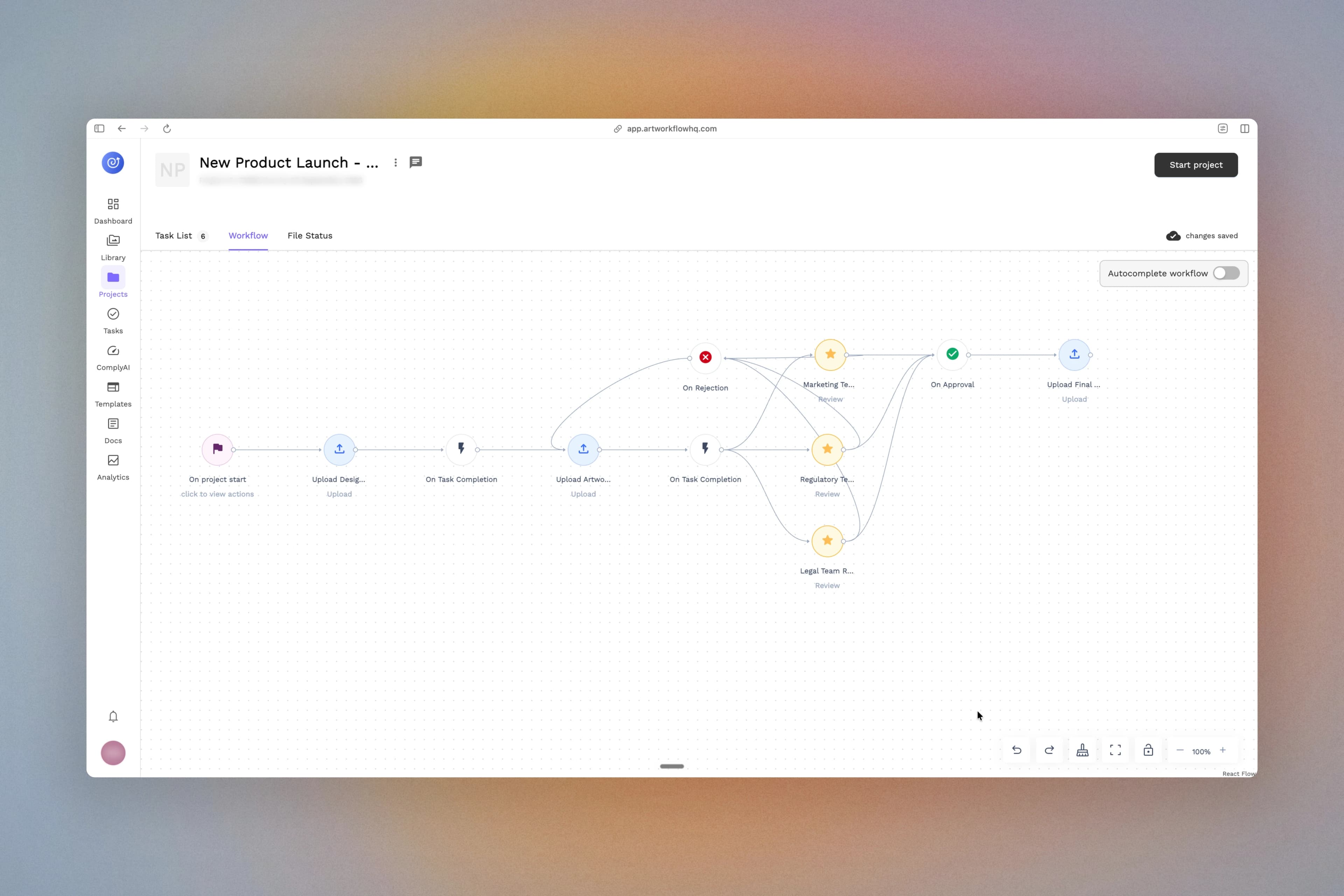
After months of competitive research, experiments and usability testing, we landed on a new workflow model that could support complex, non-linear processes while keeping it simple enough for teams to build and manage themselves.
Here are some of the key capabilities that made that possible.
Run tasks in parallel
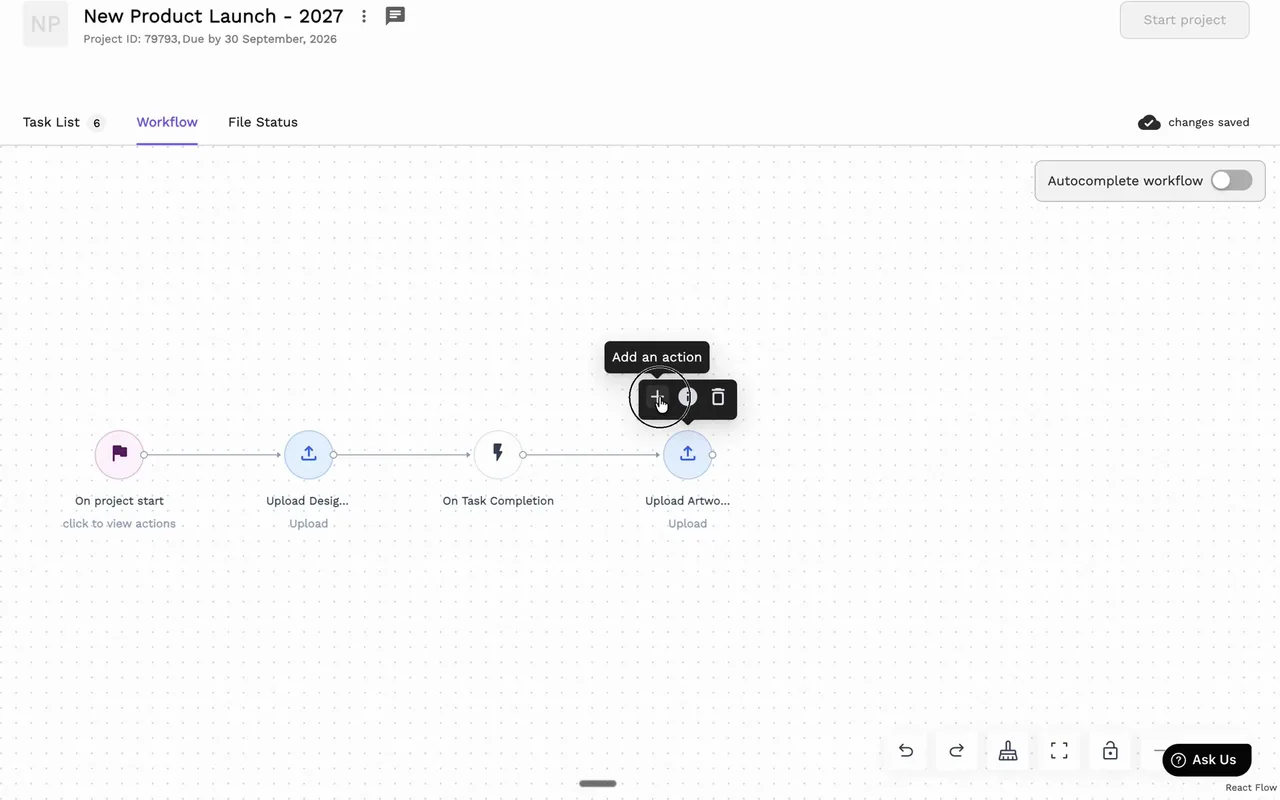
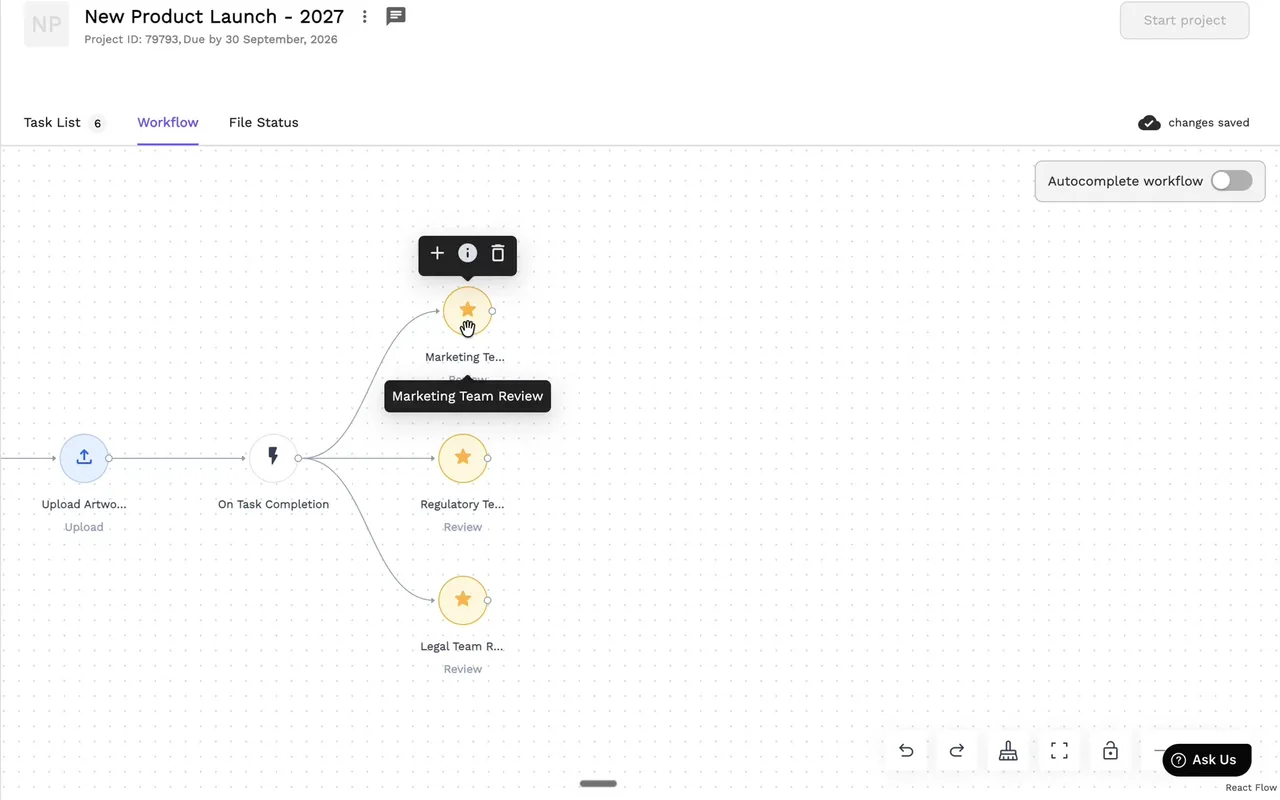
Multiple tasks can branch from the same stage and run at the same time, allowing workflows to support parallel reviews and approvals instead of forcing every task into a sequence.
Loop back to earlier stages
A workflow can return to any earlier task when needed and continue forward from there, allowing teams to model review and rework cycles without creating workarounds.
Make workflows reusable
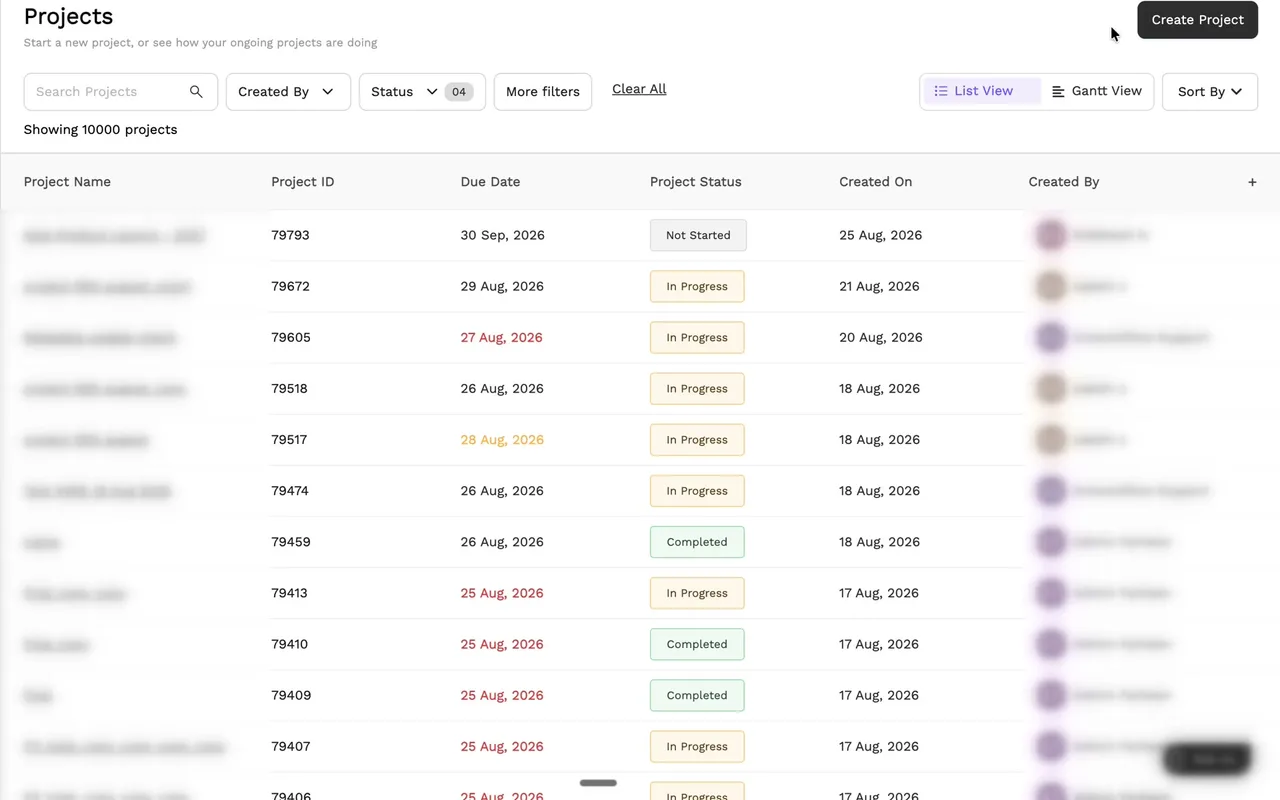
Existing workflows could now be saved and reused with far less setup, carrying over tasks, assignees and checklists so teams didn’t have to rebuild or reconfigure the same process each time.
Impact
The new workflow engine turned a product limitation into a competitive advantage, helping us differentiate in enterprise sales. Over the following months, we closed several large enterprise deals while revenue grew roughly 6x - from ~$60K to around $360K.
Customers using Artwork Flow later reported 50%+ improvements in project turnaround, alongside faster reviews, approvals and product launches. The new workflow model helped remove process bottlenecks through parallel work, clearer handoffs and structured approval and rejection loops.
The impact extended beyond sales. The new engine enabled a shift towards an implementation-cost model and allowed Customer Success to move from reactive hand-holding to a more structured onboarding approach with training, documentation and starter workflows.
Curious about the process behind it? I’d be happy to walk through the research, what didn’t work, and how the final workflow model took shape.